The Whitney Park Property has Natural Resource Limitations that Make it Unsuitable for Development
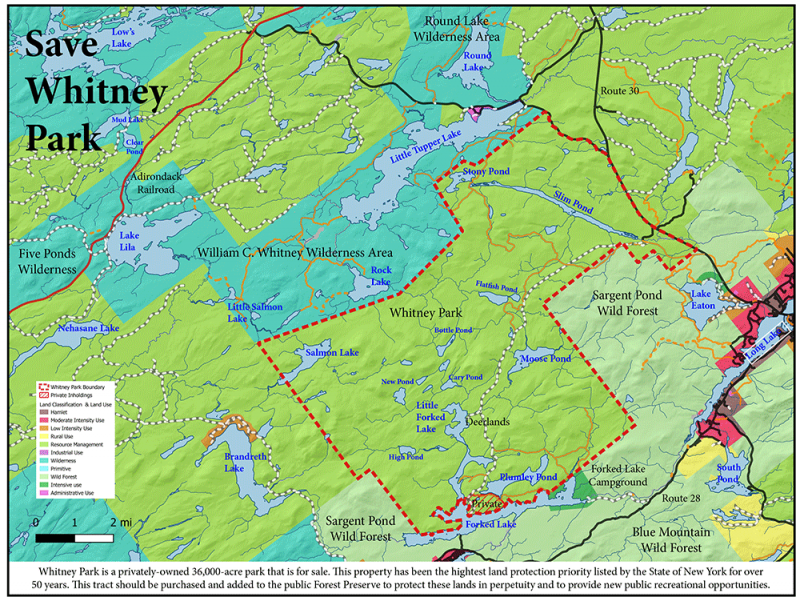
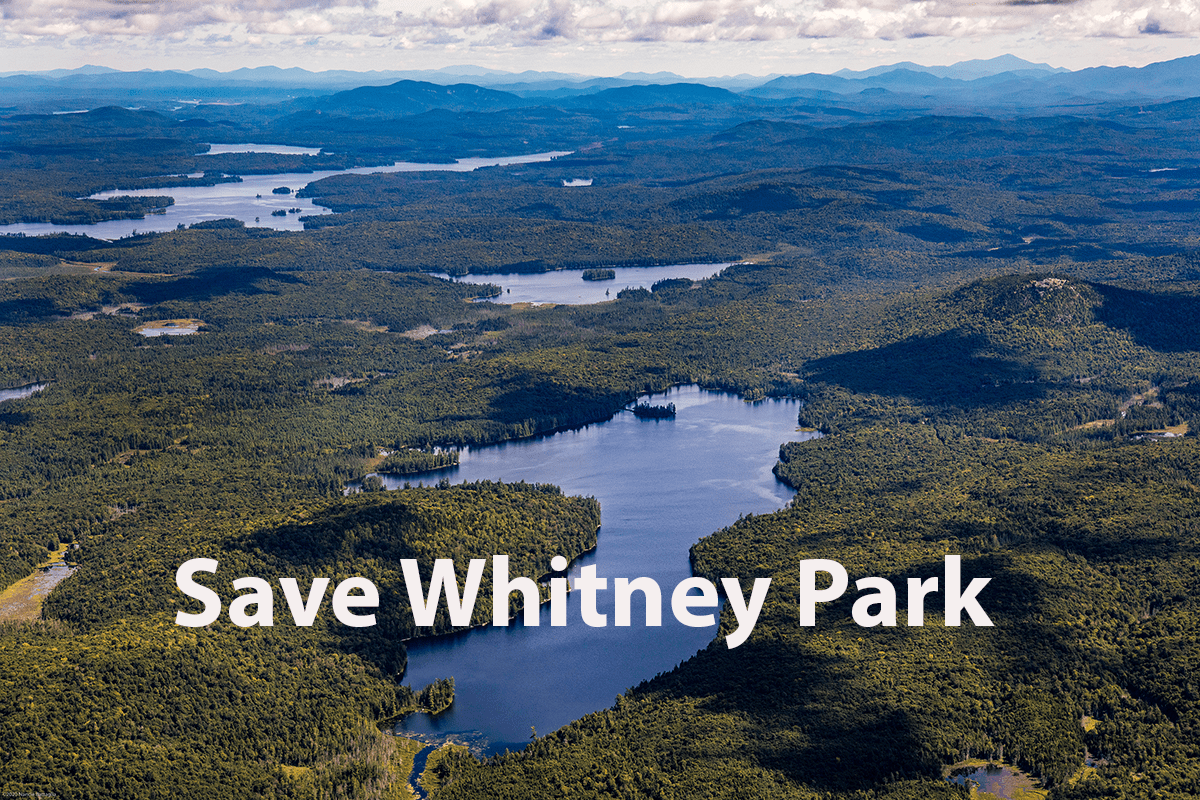
Whitney Park includes 22 lakes and ponds, numerous streams and wetlands, over 100 miles of undeveloped shoreline, and is lightly developed with continuous high forest canopy that provides great ecological connectivity through the heart of the Adirondacks. To understand more about the property, Protect the Adirondacks commissioned a desktop analysis of the 36,000-acre property’s natural resource data. The analysis shows that this remote tract faces severe constraints for largescale residential and golf course development. The data indicates that Whitney Park is dominated by sensitive natural features, including wetlands, streams, steep slopes, and poor soils. These features would make any intensive residential development exceedingly difficult and highly detrimental to the property’s ecological integrity. This analysis confirms that the Whitney Park tract presents numerous natural resources constraints to development. Future on-site investigations, such as wetlands assessments, habitat evaluations, and wildlife surveys, would further document the exceptional natural values of this land.

Whitney Park contains the following key natural resource constraints that limit development of the property:
• Lakes and Ponds: 6,339 acres.
• Wetlands: 4,772 acres.
• Stream Corridors: 748 acres (including required 100-foot setbacks).
• Slopes: 10,458 acres (greater than 15%, which constrain residential development).
• Slopes: 22,079 acres (greater than 7%, which constrain golf course development).
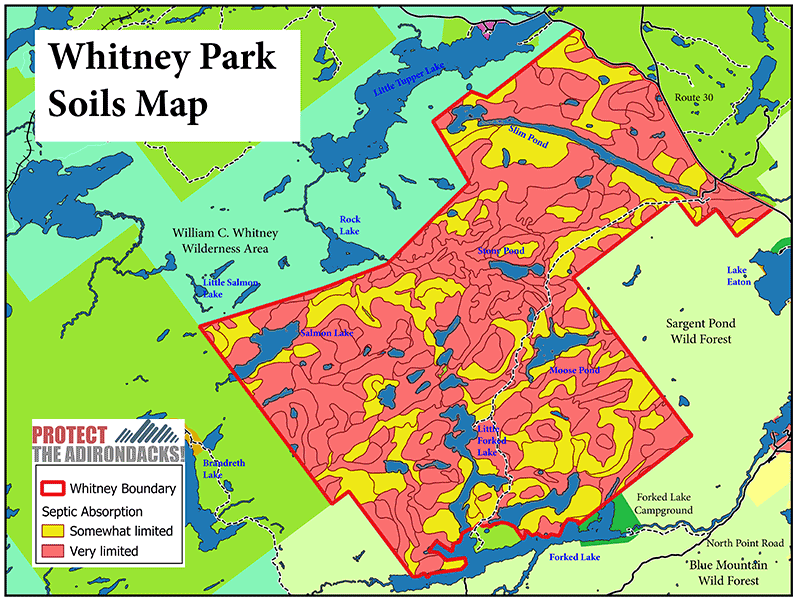
In addition, soils across the entire property are unsuitable for building site development:
• 22,821 acres are classified by New York State as soils that are “Very Limited,” which indicates that “the soil has one or more features that are unfavorable for the specified use. The limitations generally cannot be overcome without major soil performance reclamation, special design, or expensive installation procedures. Poor and high maintenance can be expected.”
• 10,610 acres are classified as soils that are “Somewhat Limited,” which indicates soils that have “features that are moderately favorable for the specified use. The limitations can be overcome or minimized by special planning, design, or installation. Fair performance and moderate maintenance can be expected.”
The highest and best use of this property in the heart of the Adirondacks is as part of the Forest Preserve where these fragile and sensitive lands will be protected in perpetuity. The fragility of Whitney Park’s natural resources is underscored by its classification as Resource Management – the most protective private land classification within the Adirondack Park. This land classification is due to the fragility and importance of protecting these sensitive lands. Any proposal to develop these lands would warrant rigorous review and would clearly merit an adjudicatory hearing before the Adirondack Park Agency.
We applaud Governor Hochul for Expressing Interest in the State Purchasing Whitney Park for Forest Preserve
For years, environmental and conservation groups have urged Governor Kathy Hochul and the Department of Environmental Conservation to negotiate a purchase of Whitney Park for the Forest Preserve, or as a conservation easement, or a combination of the two. It’s vital to the future of the Adirondack Park that Whitney Park is protected in perpetuity.
Whitney Park has been eyed by generations of Adirondack conservationists and State officials because it is a cornerstone of a protected Adirondack Park, a missing link for historic public canoe routes that ran north-south and east-west through the property, and as a vital missing piece for the public Forest Preserve. Click here to read a letter from the Adirondack Council, Adirondack Mountain Club, Adirondack Wild: Friends of the Forest Preserve, Adirondack Wilderness Advocates, Citizens Campaign for the Environment, New York League of Conservation Voters, Protect the Adirondacks! and Sierra Club Atlantic Chapter. Read the joint press release from PROTECT and seven other conservation groups calling on Governor Hochul to protect Whitney Park.
In 1998, Governor George Pataki purchased the northern portion of Whitney Park, 15,000 acres around Little Tupper Lake, from Mary Lou Whitney. These lands were combined with Forest Preserve lands around Lake Lila to form the William C. Whitney Wilderness Area, which has grown to be one of the most popular Wilderness areas in the Adirondacks that provides timeless and wild outdoor experiences. It’s impossible today to imagine an Adirondack Park without public lands and waterways like Lake Lila and Little Tupper Lake.
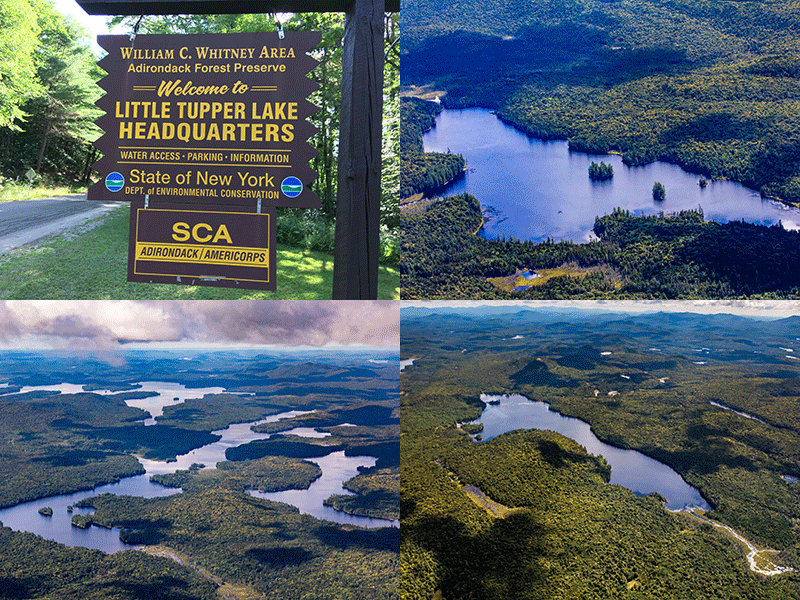
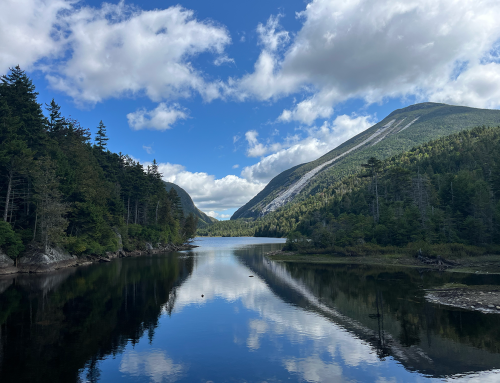
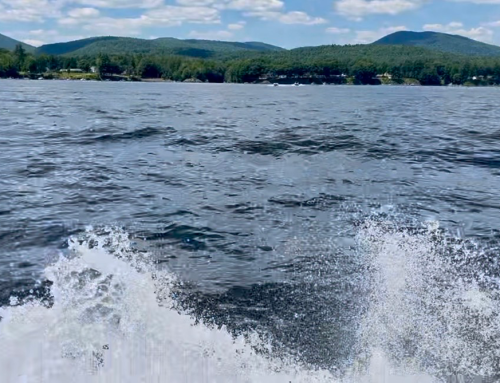
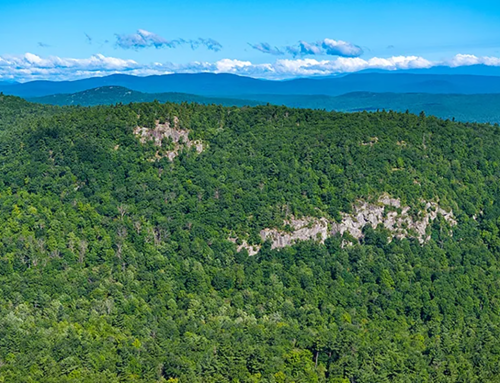
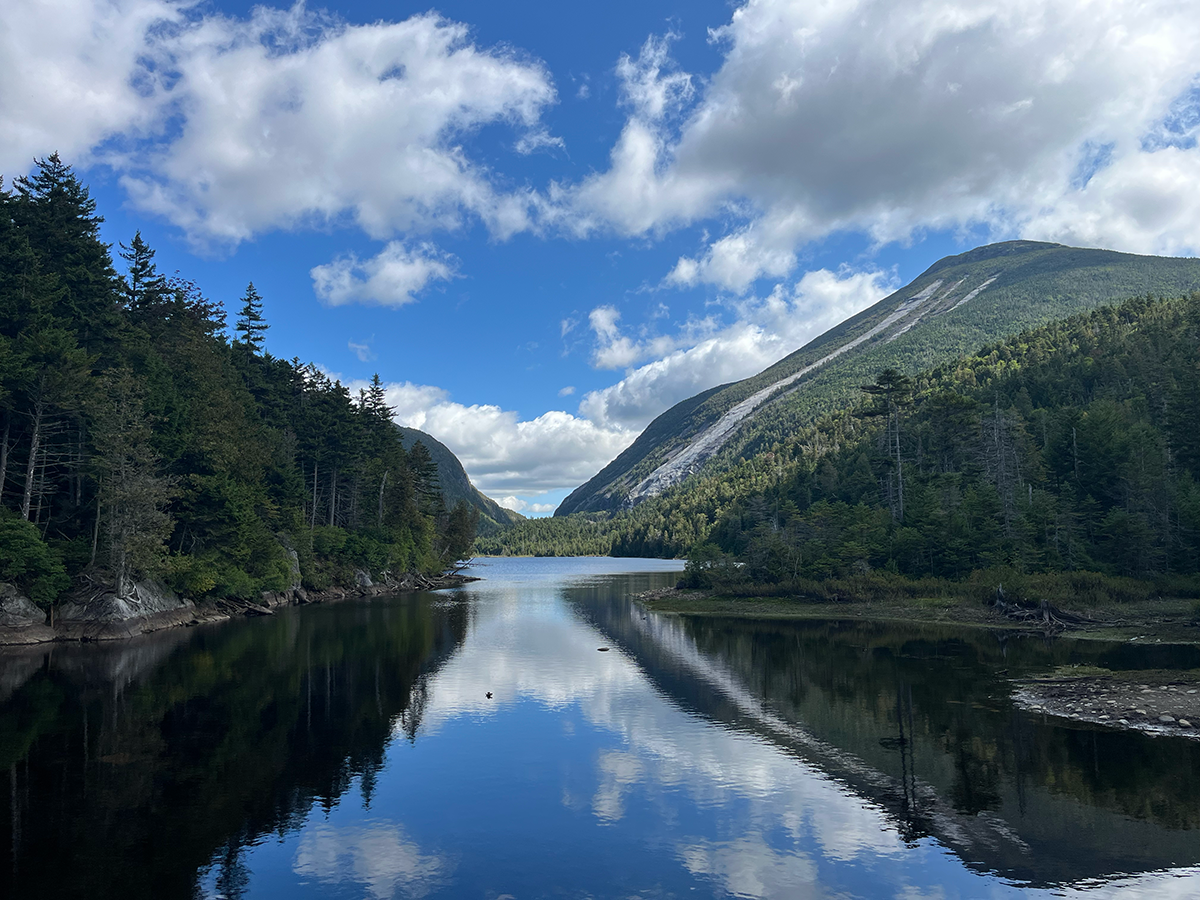
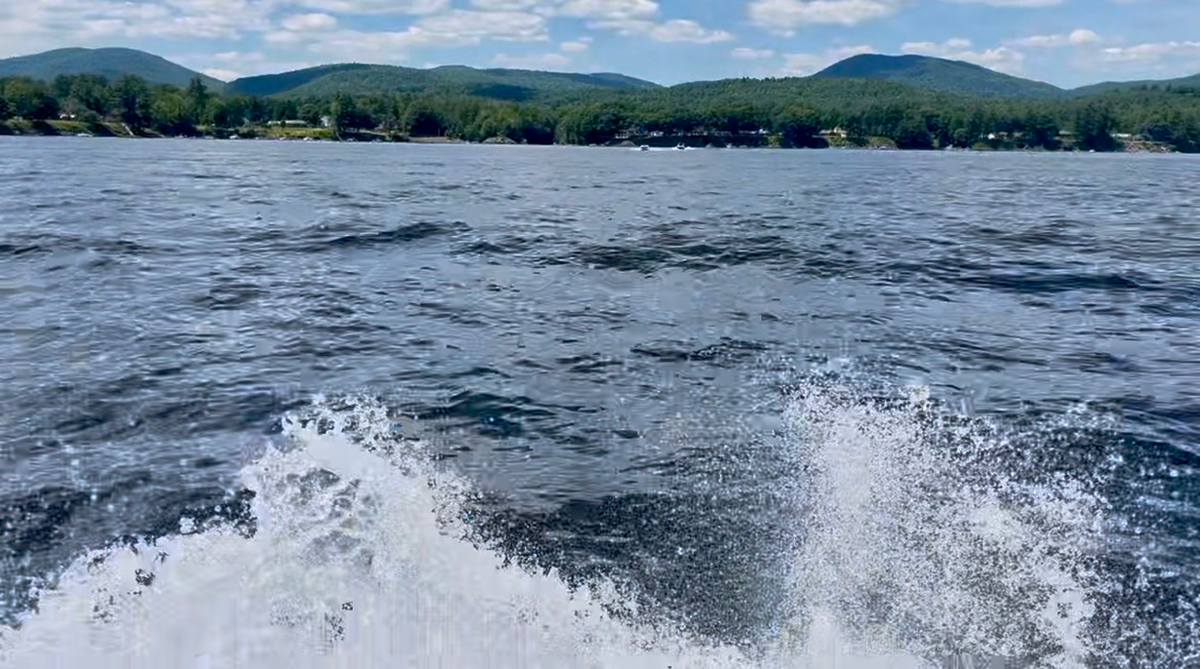
In 1997, Governor Pataki purchased Little Tupper Lake and created the William C. Whitney Wilderness Area. Whitney Park has 22 beautiful lakes and ponds including Moose Pond (top right), Big Salmon Lake (bottom right), and parts of Forked Lake and all of Little Forked Lake (bottom left).
Following the untimely death of its prior owner, John Hendrickson, Whitney Park is now on the market and available for purchase. The best buyer for this unique and highly sensitive, undevelopable property is the State of New York. While we understand that Mr. Hendrickson did not wish for the State to purchase this property, the long-standing conservation priorities and goals of the State outweigh the private interests of one individual.
In October 2025, Governor Hochul sent a letter to the Trustees of Mr. Hendrickson’s Trust expressing an interest in the State purchasing a vast majority of Whitney Park. This is a once-in-a-lifetime opportunity and we are pleased that Governor Hochul is taking steps to tackle this challenge. Protection of Whitney Park would be a great accomplishment for her administration and, like critical lands purchases made by previous Governors, would stand the test of time for its immense public benefits, including boosting the Adirondack and North Country economy, quality of life, clean air and water, public recreational opportunities (including public access to more motorless and quiet waters), green house gas emissions mitigation, and climate action.
The 36,000-acre Whitney Park Property has been at the Top of New York’s Land Protection List for Decades
The 36,000-acre Whitney Park property in the Town of Long Lake has been a high priority property listed in the New York’s “Open Space Conservation Plan” for decades. The Open Space Plan describes the land as “a 36,000 acre property in Hamilton County that has been devoted to forest and wildlife management for over 100 years and contains enormous outdoor recreational potential.” In 1996, the Adirondack Park Agency found that “[w]ith numerous lakes, ponds, streams and extensive wetlands, [Whitney Park] represents a significant open space and ecological resource of the Adirondack Park. Nowhere in the Eastern United States do land resources exist in private holdings of comparable size and extent with the exception of Northern Maine. The open space and ecological values of properties of this size and containing these resources diminish rapidly as they are subdivided.” Thus, for more than three decades Whitney Park has been recognized by the State of New York as an ecological and recreational treasure. Whitney Park is particularly well-suited for inclusion in the Forest Preserve because it is largely undevelopable.