The Department of Environmental Conservation released the final SWAP
A federal grant program provides funding for the preservation and management of fish and wildlife diversity. To be eligible for funding, states must develop a State Wildlife Action Plan (SWAP) that includes a list of Species of Greatest Conservation Need (SGCN), and identifies the habitats SGCN require, threats that must be addressed to ensure their conservation, and recommends actions to address those threats. Each state’s SWAP must be updated every ten years. The Department of Enviromental Conservaiton (DEC) has been working for several years to update New York’s SWAP.
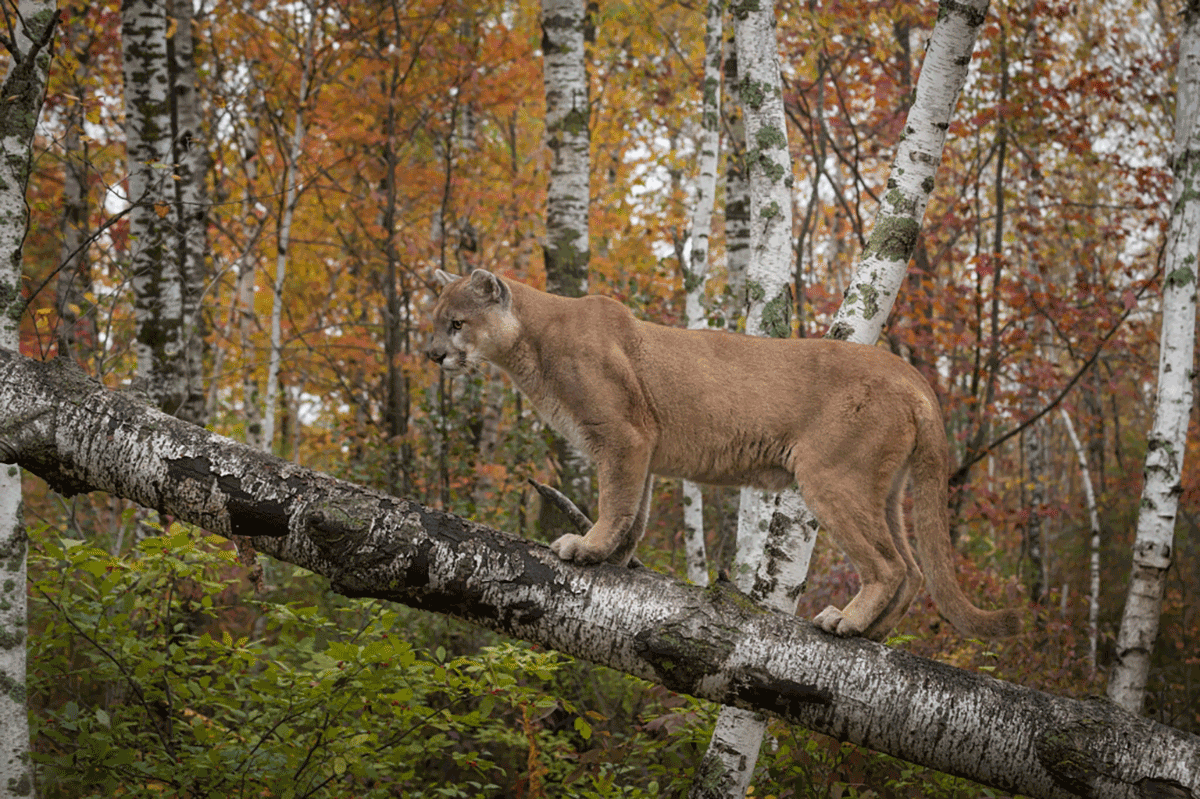
The first step in the SWAP update is preparation of a Species Status Assessment (SSA) for each species that is or may be imperiled in the State and which is proposed for inclusion on the SGCN list. DEC’s draft SSA list published in 2024 included many mammal species . In June 2024, PROTECT submitted comments on DEC’s draft SSA’s, focusing on four mammal species (Canada lynx, cougar, moose and wolves) and four bird species (American three-toed woodpecker, bay-breasted warbler, Bicknell’s thrush and red-headed woodpecker). Our comments focused on the possible presence of Canada lynx, cougar and wolves in New York state due to the confirmed presence of Canada lynx in nearby areas of Vermont, the confirmed presence in New York of dispersing gray wolves from Canada and the Great Lakes region, and the suitability and prey densities in the Adirondack Park that are capable of sustaining populations of all three of these species that were once native predators in New York.
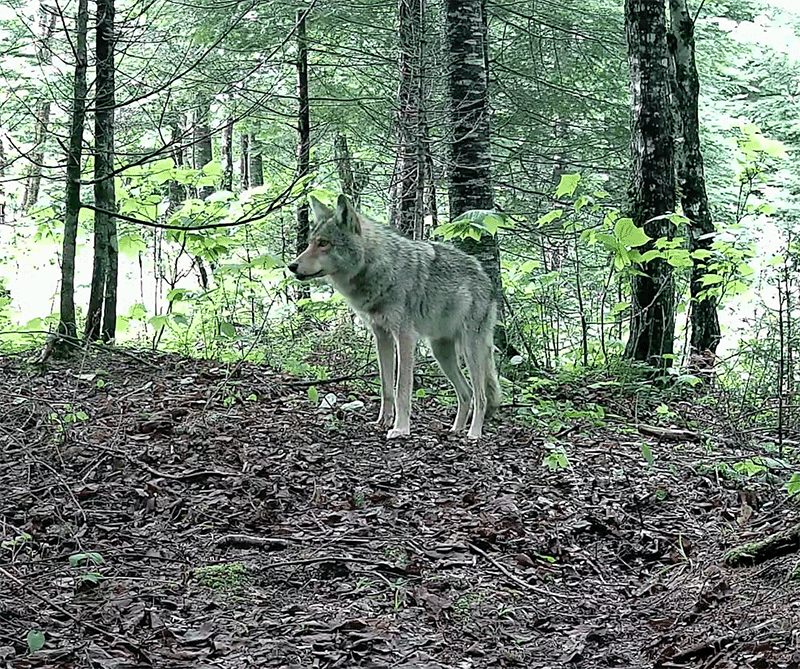
Wolves are listed as endangered species in New York and should be included on the SGCN list.
DEC’s list of Species of Greatest Conservation Need leaves off wolves, cougars and Canada lynx
DEC subsequently released revised SSAs and a proposed SGCN list at the end of 2024 that inexplicably excluded Canada lynx, cougar and wolves. The list for mammal species is available on DEC’s website. In January 2025, we again submitted comments urging DEC to include Canada lynx, cougar and wolves on the SGCN list. We also sent another comment letter to DEC in February 2025 about the fact that the states of Maine and New Hampshire included both Canada lynx and wolf on their draft SGCN lists and that Vermont’s draft SGCN list included Canada lynx, cougar and wolves. Further, a biologist in Maine stated that the Maine Department of Inland Fisheries and Wildlife expects to document a wolf pack in Main within the next ten years.
DEC’s final SWAP
DEC’s recently released the final SWAP (dated 2025 but released in September 2026), which establishes DEC’s conservation priorities and goals for the next ten years. As noted above, PROTECT actively participated in the SWAP development process by submitting comments on the draft SSAs, the draft list of SGCN, and the draft SWAP.
Large Carnivores
The final SWAP is deeply disappointing in its continued failure to recognize the conservation needs of large carnivores: wolves, cougars and Canada lynx. DEC declined to include these species on the SGCN list, continuing its retreat from efforts to conserve or restore these keystone species. As it did in the draft SWAP, DEC attempts to justify this exclusion by asserting that it needs “to focus conservation resources on resident species that currently have a population in New York and are at risk of declining.” Final SWAP at 13. As PROTECT explained in its comments on the draft SWAP, however, the rationale for this limitation is unpersuasive. With 570 wildlife species already included on the SGCN list, it is difficult to see how adding three additional species would impede conservation efforts or divert resources from species facing the most significant risks. To the contrary, DEC will necessarily prioritize its conservation efforts among SGCN species based on a range of factors, as it does already.
DEC also declined to reinstate the category, “Species of Potential Conservation Need,” which was included in the previous, 2015 SWAP. That category was intended to encompass at-risk species for which insufficient information was available regarding their status or distribution. DEC omitted the category from the draft SWAP without explanation. Given DEC’s reluctance to include large carnivores on the SGCN list, PROTECT urged DEC to reinstate this category as an alternative means of recognizing the conservation needs of these species and management actions that DEC could take. DEC can point to or improve existing protections for the habitat that already exists. DEC can provide better training and education for hunters, trappers and the public. DEC could undertake a systematic monitoring effort focused on ascertaining whether these species are located in the State and/or are traveling here from nearby states.
Rather than identifying any management actions that could be taken, and excluding them from the SWAP and the SGCN list, DEC is sending the wrong signal to the public that there is no potential for naturally re-establishing breeding populations of these species in New York. In fact, the scientific data have consistently shown (and DEC has acknowledged) that suitable habitat and prey densities exist for all three species, thus providing a clear opportunity for re-establishment of these species in New York.
DEC’s decision to omit large carnivores from the SGCN list is also out of step with the approach taken by other Northeastern states. The final SWAPs for Maine and New Hampshire include both Canada lynx and gray wolf on the SGCN list, and Vermont’s SGCN list includes Canada lynx, cougar and wolf. New York therefore remains an outlier among its Northeastern neighbors in refusing to identify these large carnivores as species of conservation concern.
Moose
The initial SSA for moose recommended that the Legislature grant DEC authority to establish a moose hunting season as a tool for managing parasitic infestations in the moose population. PROTECT urged DEC to remove this recommendation because (i) there are no data indicating that parasites are a significant mortality factor for moose in New York or that hunting would be an effective means of controlling parasites in the population; and (ii) there are insufficient population data to alter DEC’s longstanding conclusion that the current moose population is too small to support a hunting season. DEC has removed the recommendation from the final SSA for moose.
Birds
The only significant change between the draft and final versions of the SWAP is the reinstatement of the Common Loon to the SGCN list. PROTECT had urged DEC to take this action after the Department removed this species from the SGCN list in the draft SWAP. Keeping Common Loons on the SGCN list will ensure that conservation actions are supported and will help to improve the long-term survival of this important species. Common Loons continue to face a range of threats that endanger their survival and reproductive success, including shoreline development, disturbance from boating activties, toxic contaminants and climate change.
PROTECT also urged DEC to recommend, in the SSAs for the American three-toed woodpecker, bay-breasted warbler, Bickell’s thrush, and redheaded woodpecker, that these species be added to the State’s list of endangered and threatened species. This recommendation was based on the species’ highly specialized boreal habitat requirements and recent long-term documented significant population declines. DEC did not include a listing recommendation for any of these species in the final SSAs.