19 Groups Send Letter to Governor Kathy Hochul Requesting Funding for the Adirondack Park
Protect the Adirondacks (PROTECT) and 18 other groups sent a letter to Governor Kathy Hochul requesting funding in the Governor’s proposed Executive Budget for Adirondack Park programs and initiatives. While PROTECT receives no State funding, funds in the State Budget flowing into the Adirondacks is important to PROTECT’s mission of protecting the public and private lands of the Adirondack Park, and for building and sustaining healthy and strong human communities throughout the Adirondacks. With federal funding uncertain or in some situations, decreasing, PROTECT is urging Governor Hochul to maintain or increase funding for Adirondack programs for the upcoming fiscal year (FY27). A copy the December 12, 2025 group letter to Governor Hochul is available here.
Mark your calendar to join us for Adirondack Park Lobby Day on Monday February 23, 2026 to advocate for Adirondack Park funding! Don’t miss out on this chance to stand up for the Adirondacks.
Environmental Protection Fund
The Environmental Protection Fund (“EPF”) is the main source of funding for stewardship of public lands within the Adirondack Park and for the environmentally sound economic development of local communities in the Park. As the State has been facing increasingly serious environmental challenges, the EPF was increased to $425 million last year. We’re asking the Governor to fund the EPF with at least $425 million this year with a goal of increasing the EPF to $500 million annually to meet the demands for these funds from numerous local governments and organizations across the entire State.
$50 Million in EPF for Open Space and Land Acquisition
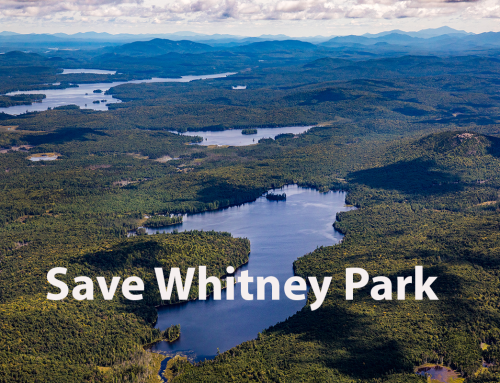
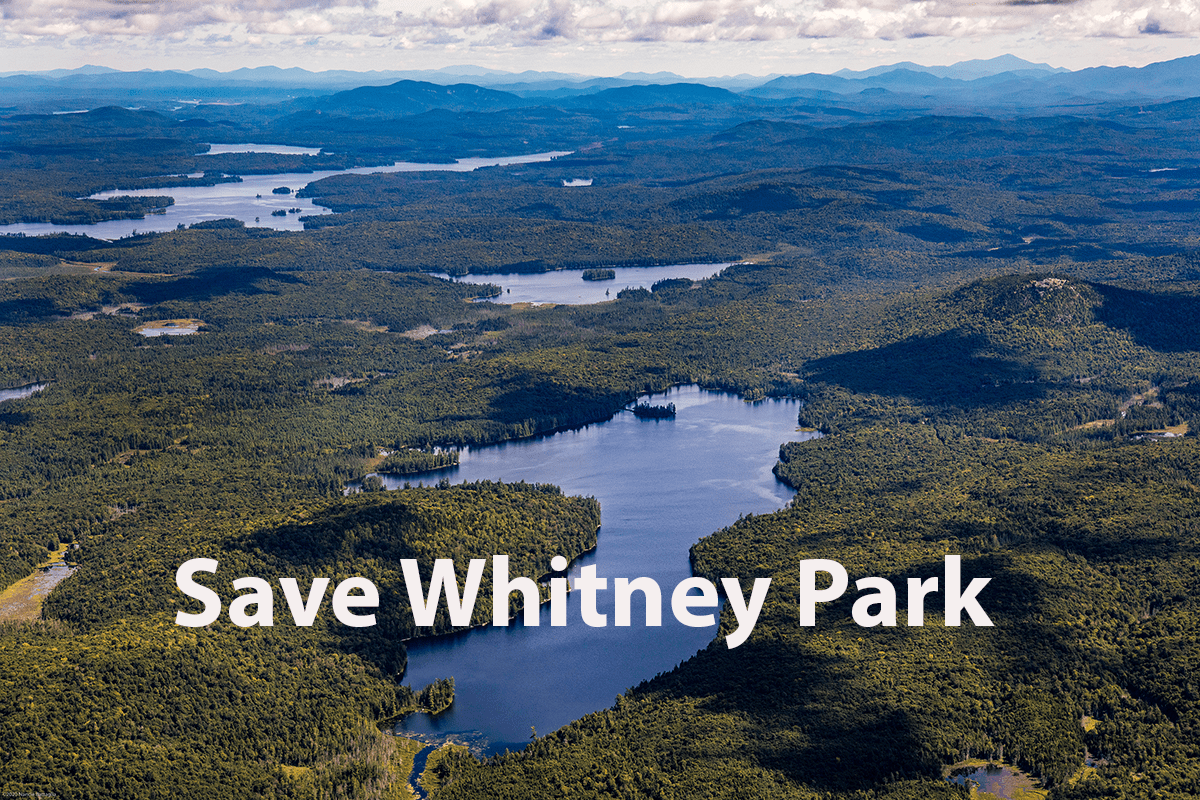
In 2022 the Legislature passed and Governor Hochul signed the landmark “30 by 30” law, which commits the State to protecting 30% of the State’s lands and inland waters by 2030. PROTECT issued a report that documented all currently protected lands in the State and concluded that in order to reach the 30 by 30 goal the State will need to protect an additional 3.2 million acres over the next six years. Additional funding for open space protection is necessary to acquire and preserve the millions of acres of lands and waters of the State needed reach the 30 by 30 goal. In particular, funding for open space protection can be used for the State to acquire the 36,000-acre Whitney Park property in the heart of the Adirondacks.
PROTECT is urging the Governor to include $50 million in the EPF for Open Space and Land Acquisition.
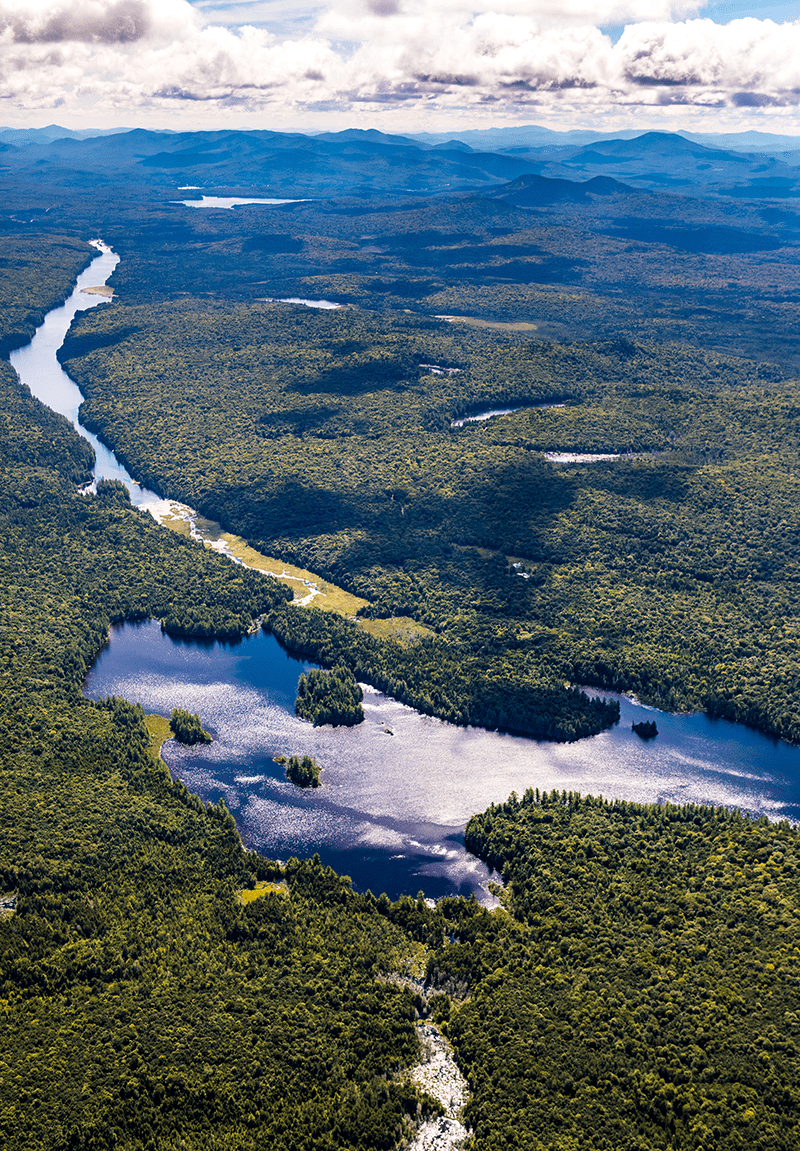
Whitney Park, pictured here, is a 36,000-acre parcel of land in the Adirondacks that is available and could be purchased with open space land protection funding.
At least $50 Million in EPF for State Land Stewardship
The State Land Stewardship line in the EPF provides funds for the management and protection of millions of acres of State-owned lands, including the nearly 3 million acres of Forest Preserve lands in the Adirondack Park. PROTECT is urging Governor Hochul to include at least $50 million for this account, with a goal of increasing it to $65 million to address the large need for maintaining State-owned lands. In addition, we are urging the Governor to include $10 million of funding for Adirondack and Catskill visitor safety and wilderness protection.
Last year, $1 million was included in the State Budget to fund a carrying capacity study of sensitive water bodies in the Saranac Lakes Complex in the Adirondack Park. “Carrying capacity” means the ability of natural resources to withstand and sustain human activity and the environmental impacts resulting from those activities. In the case of waterbodies it means the impacts on water quality, fish and wildlife, scenic and aesthetic resources, and the user experience resulting from increasing boat traffic and conflicting visitor use. A carrying capacity study would examine these factors, evaluate whether and to what extent the carrying capacity has been exceeded, and recommend measures to avoid exceeding the carrying capacity and/or to return resources to an acceptable level that does not exceed the carrying capacity. Although the Adirondack Park State Land Master Plan requires the Department of Environmental Conservation (DEC) to conduct a carrying capacity study for each unit of Forest Preserve lands and waters in the Park, DEC has thus far failed to complete even one such study, citing budgetary constraints. Even after the $1 million was allocated in the State Budget for this purpose, DEC has still not taken any steps to commission the carrying capacity study. Accordingly, PROTECT is urging that the $1 million be reallocated so that the funding needed for this study will be available for DEC to facilitate completion of the study in FY27.
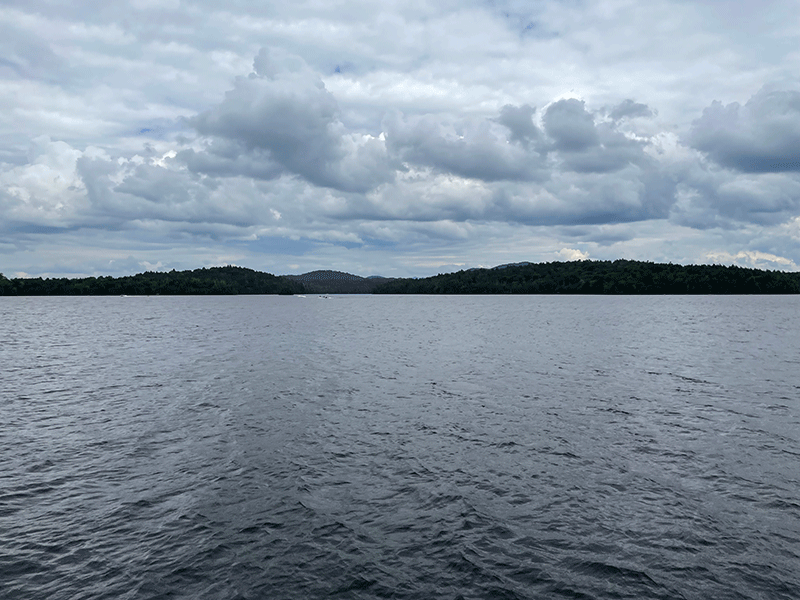
$1 million must be reallocated for the carrying capacity study of the Saranac Chain of Lakes that DEC has not yet completed.
$1 Million in EPF for Visitor Center Funding
We support funding Visitor Centers at $1 million, with $250,000 each for Paul Smith’s Visitor Interpretative Center (VIC); the SUNY Environmental Science and Forestry (ESF) Adirondack Interpretative Center (AIC); the ADK High Peaks Information Center; and the Castkills Visitor Center.
$2.1 Million+ in EPF for Adirondack Diversity Funding
For the last several years, the State Budget has included funding for the Timbuctoo Institute, which is a program developed by the SUNY College of Environmental Science and Forestry (ESF) to introduce high school students from New York City to a broad range of green job opportunities. In 2023, the Timbuctoo Institute partnered with CUNY Medgar Evers College to bring 48 high school students to the Adirondacks for three two-week sessions. In 2024, 46 students from all five New York City Boroughs attended the program. In 2025, 131 students from all five New York City Boroughs participated in the program. We support funding this program with $2.1 million for FY27.
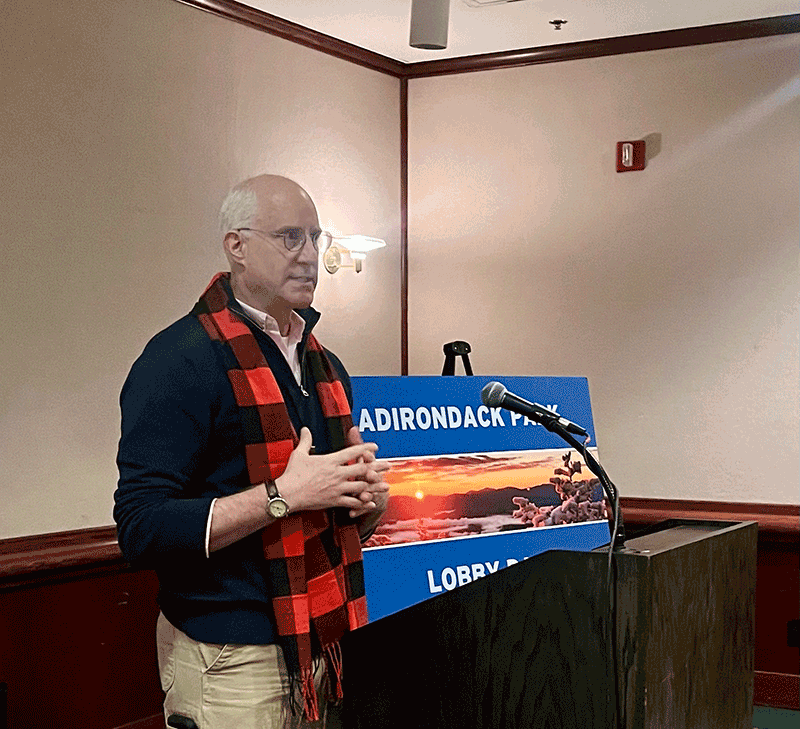
Paul Hai, Associate Director, Adirondack Ecological Center at SUNY ESF’s Newcomb Campus and Director, Timbuctoo Institute
We support State funding for a new exhibition in Blue Mountain Lake that will open at the Adirondack Experience on July 4, 2027, the 200th anniversary of the abolition of slavery in NY. The exhibition celebrates the history of African Americans in the region and will link African American heritage tourists to the John Brown Farm State Historic Site, the North Star Underground Rail Road Museum, and 200th anniversary activities around the state.
We also support funding the Adirondack Diversity Initiative (ADI) with at least $420,000, with a goal to increase that funding, as ADI continues to grow its program’s impacts and effectiveness. ADI works to make the Adirondacks a more welcoming and inclusive place for residents and visitors while ensuring a vital and sustainable Adirondack Park for future generations. ADI addresses a broad range of diversity issues, such as race and ethnicity, gender and gender identity, sexual orientation, and socioeconomic status, across 14 counties. The funding for ADI has come from a different part of the State Budget, not the EPF.
$400,000 in EPF for Water and Air Research
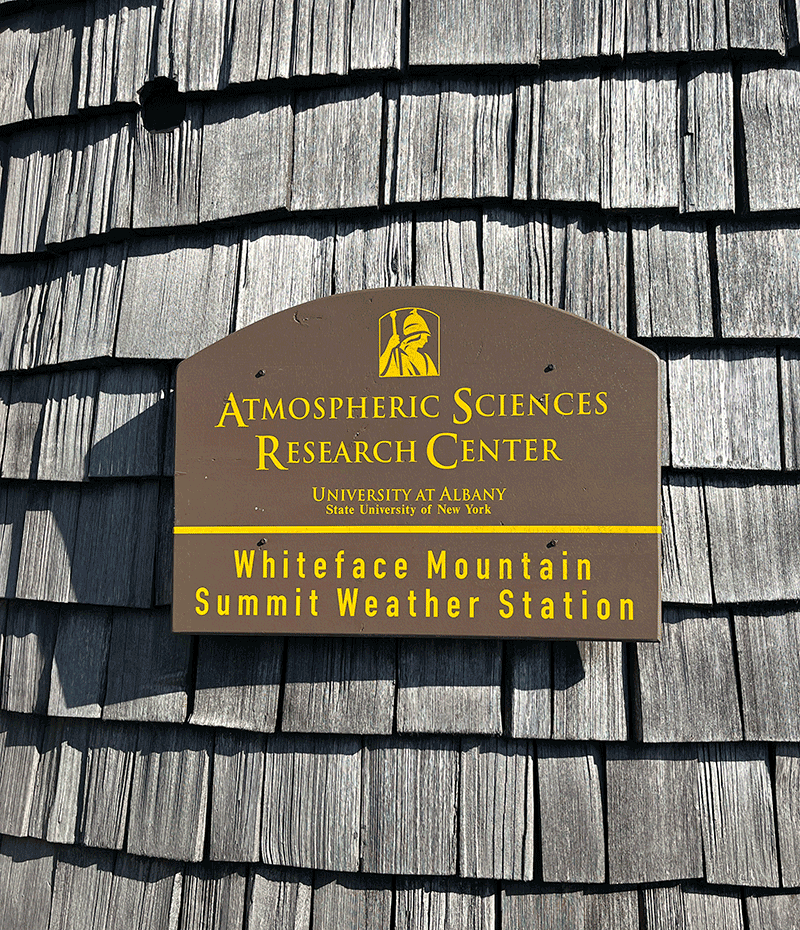
The Adirondack Watershed Institute (AWI) at Paul Smith’s College in the Adirondack Park and the Atmospheric Sciences and Research Center (ASRC) at Whiteface Mountain Field Station are leading environmental research in water and air impacts in the Adirondacks. Their programs should be allocated $200,000 each.
$2 Million in EPF for Climate Change Research
The Survey of Climate and Adirondack Lakes Ecosystems (SCALE) is a multi-year study of how climate change impacts waterbodies in the Adirondacks. SCALE researchers from Cornell College of Agriculture and Life Sciences, Rensselaer Polytechnic Institute, the Ausable Freshwater Center and other academic partners are examining how climate change impacts baseline conditions of waterbodies, and exploring the relationships between climate change and harmful algae blooms, food webs, and mercury bioaccumulation. This data will inform future climate policymaking and guide strategic investment in greenhouse gas reduction and climate resiliency. PROTECT supports $2 million for the SCALE research project in the FY27 State Budget.
$20 Million in EPF for Invasive Species Control
PROTECT supports $20 million in funding for prevention, control and eradication of invasive species that harm native species and water quality, diminish property values, and impede recreational tourism.
$4 Million in EPF for Smart Growth Funding
PROTECT supports funding of at least $3.8 million for the Smart Growth program for communities in the Adirondack and Catskill Parks. Smart Growth planning leads to business development, affordable housing, and increased revenue for municipalities.
$500 Million in Clean Water Infrastructure Act Funding
Funding provided through the Clean Water Infrastructure Act (CWIA) is essential to protecting Adirondack Park waters and to promoting new business and affordable housing in Adirondack Park communities. The need for funding clean water infrastructure projects for communities in the Adirondack Park is greater than the funding available. There is a significant backlog of wastewater treatment plant and sewer system projects in Adirondack communities. Failing private septic systems throughout the Park are also contributing to problems with surface and groundwater quality. The CWIA’s Septic Replacement Fund provides funding to counties for financial assistance to homeowners who need to replace or upgrade failing septic systems.
This fund has historically received $500 million each year.
Funding for Implementation of Salt Reduction Task Force Recommendations
In 2023, the Adirondack Road Salt Reduction Task Force released its report documenting the significant adverse groundwater and surface water pollution effects of the use of road salt in the Adirondack Park. Clean water funding is needed to implement throughout the Adirondacks the road salt reduction strategies identified in the Task Force’s report. Funding needs to be available for Adirondack Park communities to purchase new technology and equipment for highway maintenance because these investments in road salt reduction have proven effective at reducing road salt in water bodies and dramatically reducing pressures on local winter road maintenance budgets.
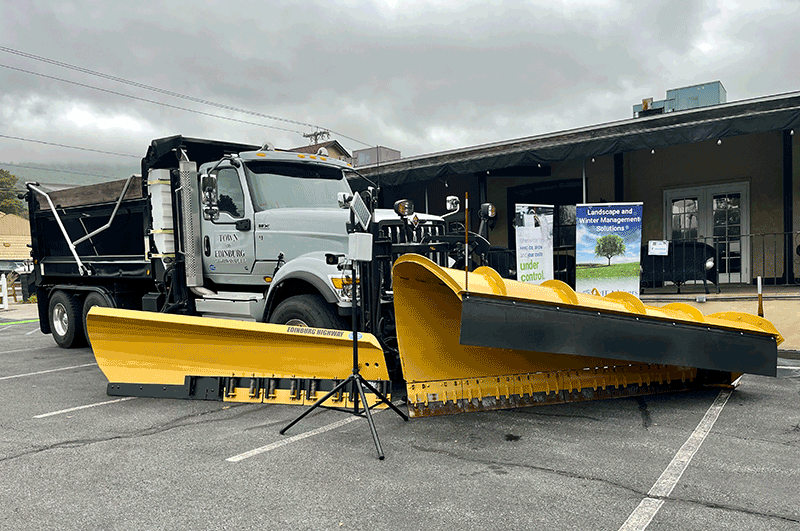
Upgraded highway maintenance equipment provides better control over road salt application
Increase Staffing at DEC and the Adirondack Park Agency
The DEC Forest Rangers are some of the bravest and most valued officers in State service. The Forest Rangers must be fully staffed and their numbers increased to ensure that they can excel at serving the public safety needs of the people recreating in the Adirondack Forest Preserve and protecting the public lands that they safeguard. We cannot continue to ask them to do more with less when they are putting their lives on the line. By increasing Ranger staffing, costly Search and Rescue missions can be prevented. This is beneficial to state coffers, and to local economies. The budget should include funding to increase and continue diversifying the current Forest Ranger force.
Finally, the Adirondack Park Agency Act has not been updated in any meaningful way since its adoption in 1972. Now 50+ years later, the Adirondack Park faces unprecedented environmental, social, and economic pressures. Climate change, overuse of trails and waterways, fragmented forests, an acute shortage of affordable housing, and outdated development standards threaten the long-term health of both the Park’s natural resources and its communities. The APA Act must be modernized and updated to meet these 21st-century challenges. Additional APA staff should be added to the Agency’s ranks to help with drafting and implementing updates to the APA Act so that the agency can be a preeminent leader in environmental protection. PROTECT is urging Governor Hochul to take this opportunity to lead the effort to update the Adirondack Park Agency Act.
Redevelop Closed State Facilities on the Forest Preserve
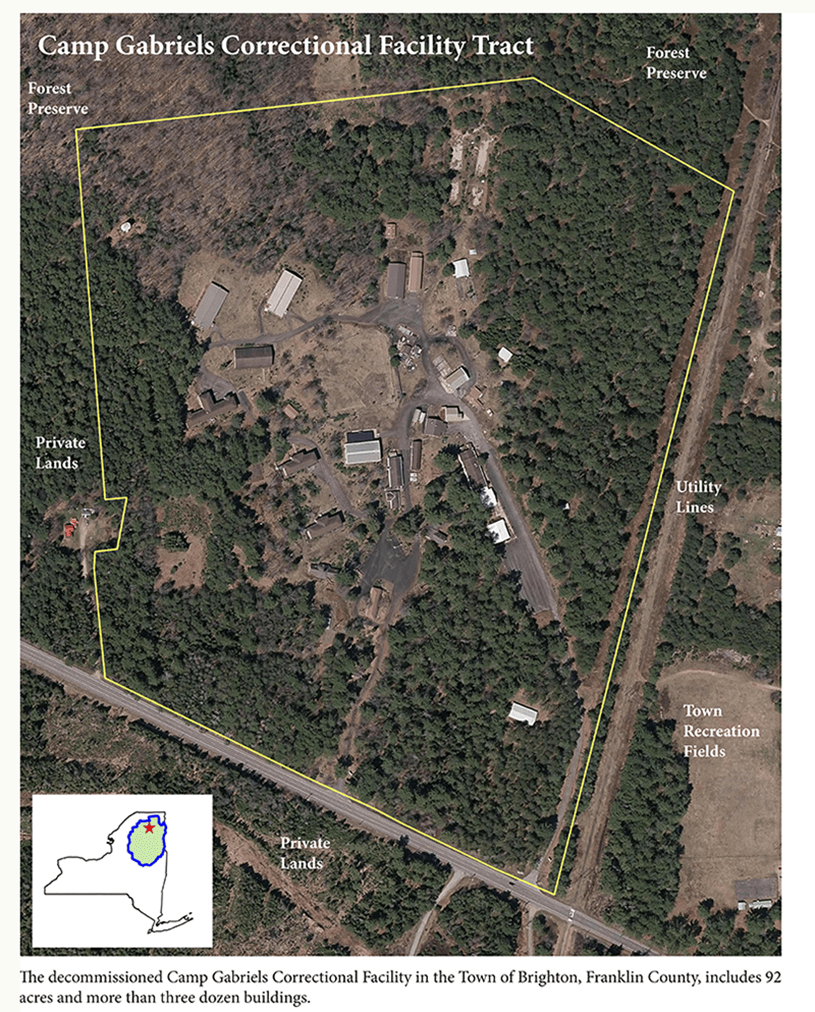
PROTECT continues to support a Constitutionally-permissible solution that allows for redevelopment of the closed correctional facilities located on the Forest Preserve. There are now six former correctional facilities closed in Forest Preserve counties: Camp Gabriels, Moriah Shock, Mount McGregor, Great Meadow, Sullivan County Correctional, and Bare Hill in Franklin County (to close in early 2026). We urge the Governor and the State Legislature to formulate a Constitutional amendment(s) that allows the closed correctional facilities on the Forest Preserve to be rehabilitated and redeveloped or repurposed so that they can provide a public benefit to the communities where these facilities are located.